Plant Care as a Ritual and Remedy: Why Caring for Plants is Caring for Yourself.
" I feel nothing can befall me in life...which nature cannot repair." Ralph Waldo Emerson, ‘Nature,’ (1836)
Amidst the turbulence of our urbanised world, a relationship has been silently breaking down - our perhaps unknown, but primal connection to nature. First described by Naturalist E.O Wilson as ‘Biophilia,’ it is thought to be deeply intrinsic to our species' wellbeing. But in a time where having access to the natural world has become more of a privilege than a right, how do we nurture this bond back to life?
How could the simple ritual of plant care bridge this disconnect and unearth nature’s remedial qualities?
When caring for plants, even if just for a single succulent, we encounter elements, scents, textures and colours of nature that we may rarely get to experience otherwise. Not only is this sensorial engagement in itself beneficial for our mental wellbeing, but it physically reconnects us with nature and immerses us in a world teeming with remedial properties.
The soil that we interact with for example, is known to contain thousands of mood and immune boosting microbes, and even the presence of green in our environments has been shown to have calming effects; Human vision is particularly sensitive to green and so it easy on the eyes and the mind too, encouraging feelings of peace, balance and comfort.
An Act of Giving
Plant care invites us to be in service to another living being and, in many ways, we adopt a role akin to that of a parent. And luckily, whilst it can be a daunting process to begin with, it is also one that gives back, regardless of the end product.
It is an act of giving, conducive in stimulating the ‘Reward’ section of our brains. And not only are we emotionally rewarded with enhanced feelings of self-esteem, accomplishment and purpose by this, but we’re physiologically reimbursed too - even devoting our time to something as simple as watering has been shown to have salutary powers, in its ability to lower our blood pressure, for example.
A plant-carer's position is a low-pressure one that demands neither perfection nor stereotypical expectations of ‘success’ from us for it to be a fulfilling one - even the least green-fingered of us can soon reap the benefits of the practise.
In a world that so desperately pursues instant gratification, plant care cultivates a rare, non-judgemental oasis where slow productivity, patience and non-linear progress is highly valued.
Flora, Fascination, Focus
If there is one emotion that plant care inspires in us, it is awe - a feeling of fascination and wonder, deemed by psychologist Lani Shiota, a remedial and ‘Fundamental part of being human.’
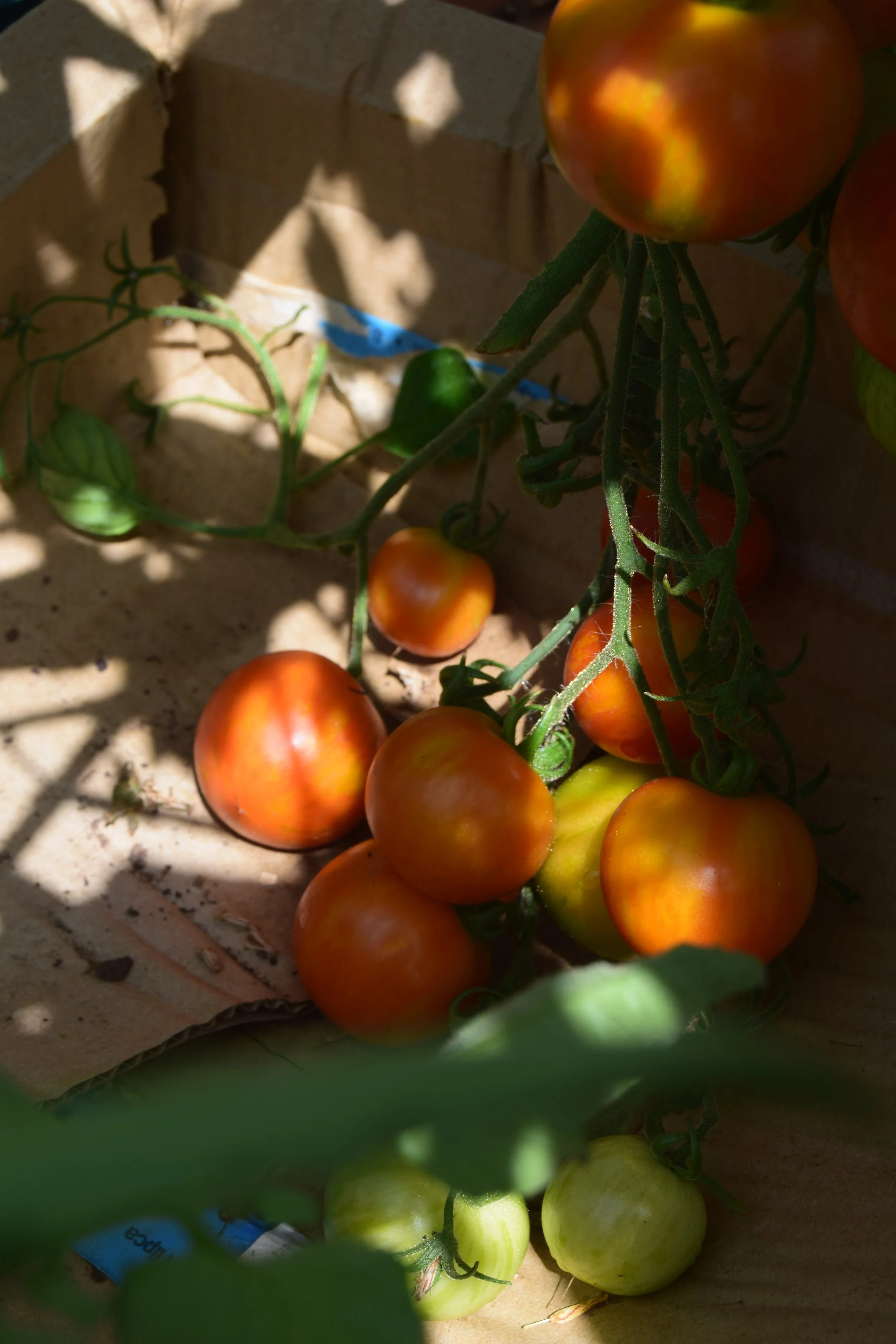
An emotion often associated with witnessing breathtaking natural vistas (an experience that so many are deprived of) small doses of awe are also supplied by the everyday marvels of plant care. The unfurling of new leaves for example, or the remarkable appearance of fruit, even if it is just a single tomato. Upon witnessing these miracles, we become observant of the world around us and grow into less-self-interested and more curious, empathetic people.
Research suggests that awe has potential lifespan and cognitive function-extending capabilities too, through mediating harmful bodily inflammation and helping us recover from mental fatigue. Effortlessly and wholly absorbing our attention in our task, plant-derived awe carves out a window of mindfulness in an emotional wall of everyday pressures, in which our focus levels and nervous systems can reset and recoup.
Historical roots.
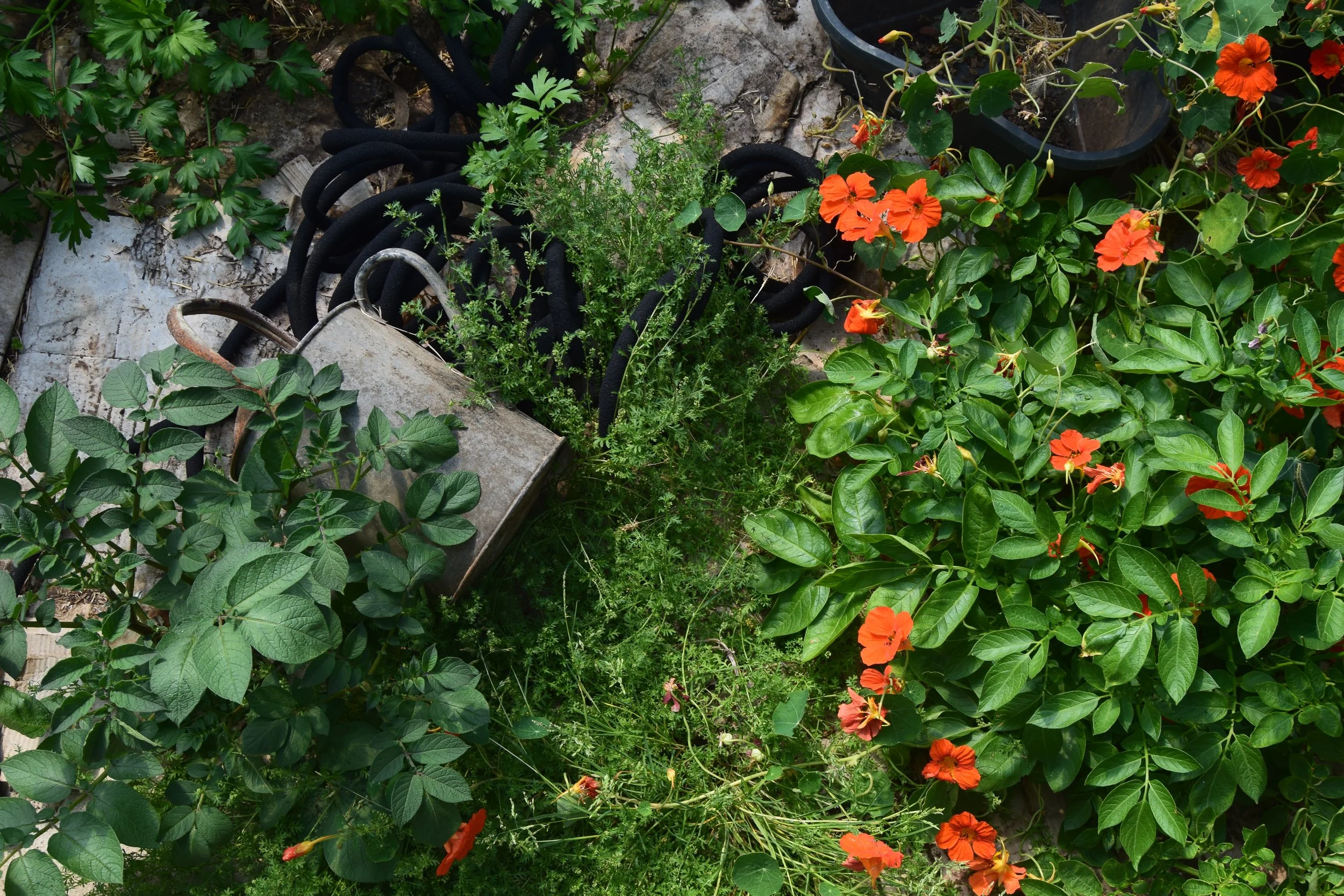
Indigenous communities have long nurtured a connection to plant relatives. We can also understand why in the first world war, soldiers nurtured flowers in volatile trench-soils; Why hospital patients in rooms with plants have been shown to heal significantly quicker than those without; Why, since it's 19th century roots, horticultural therapy has become the neuroscientific, recognised intervention it is today.
And why, even for those living in the most nature-deficient places on earth, plant care can be an emotional salve for the disconnect between our modern minds and the lost benefits of Biophilia.
So how do we bring plant care into our lives, as a ritual of self-care?
1. Start small.
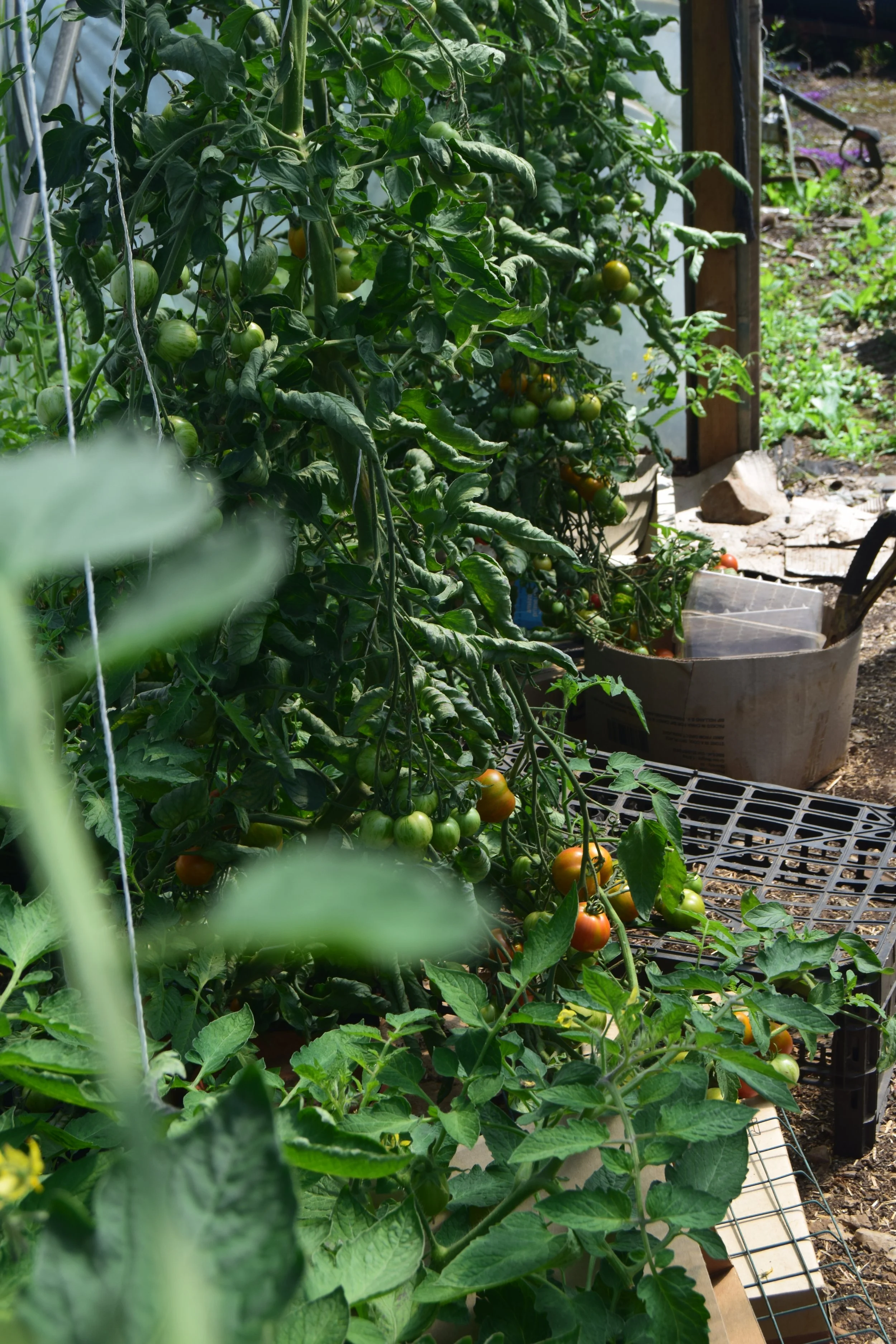
The suburban windowsill houses just as much restorative potential as a countryside allotment and luckily, some of the most rewarding plants to grow are the easiest to care for: A simple succulent or cactus are forgiving companions. Salad leaves and herbs too, such as Basil, Parsley and Mint, take up very little space, are generally inexpensive and full of remedial properties. Incorporate them into meals to congratulate your work, whilst caring for both your mind and body. Perhaps check out Martha Swale's social media and book 'Give it a Grow,' for inspiration.
2. Community:
One of the most powerful things that plant care can do is reduce feelings of loneliness, especially through bringing communities together. If possible, join, or even start, a community garden. The UK organisation 'Thrive,' offers lovely information on the powers of collective plant care.
Buy or grow a plant for a someone you know or even a complete stranger. With this kindness, you sow the remedial seeds of plant care in other people’s lives, even if it unbeknownst to them. Meet regularly to discuss the progress of both your growing endeavours.
3. Make time
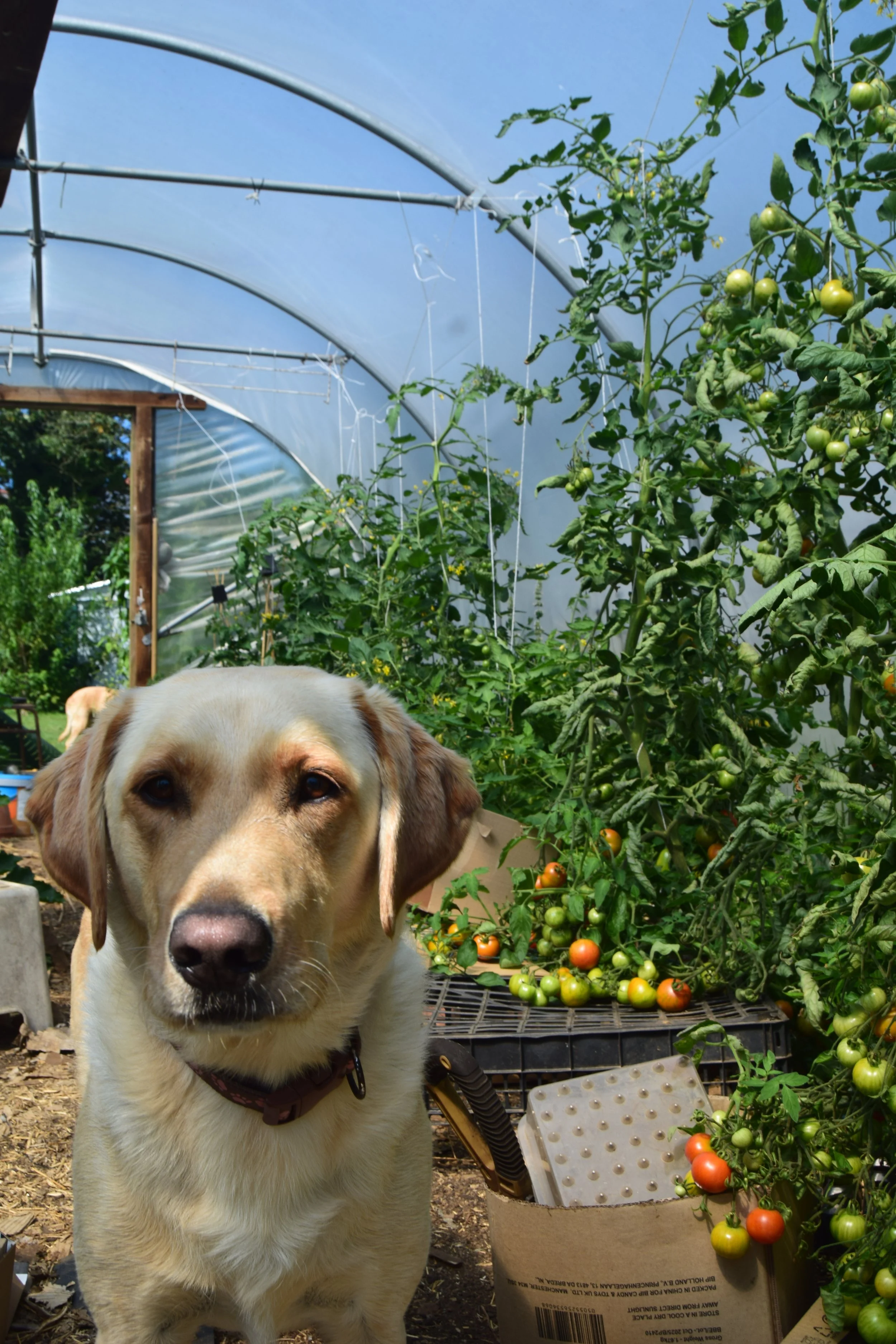
Plants are great reminders that growth is non-linear and unpredictable. Dedicate a moment of your day to simply observing your plant; perhaps write down or sketch your observations and reflect on ways that you too have grown or changed alongside your plant.
About the Writer

Lihla-mae Noble is a marine biology student, raised and currently based along the wild coastline of Pembrokeshire, West Wales. A childhood spent beside this coastal landscape has inspired her love of the natural world and an interest in creatively exploring our connection to it. Whether she is walking, running, swimming or snorkelling in the ocean, the company of pens, paper scraps, a book, and a dog is never far from reach.