The Language of Flowers: Love Notes from Nature
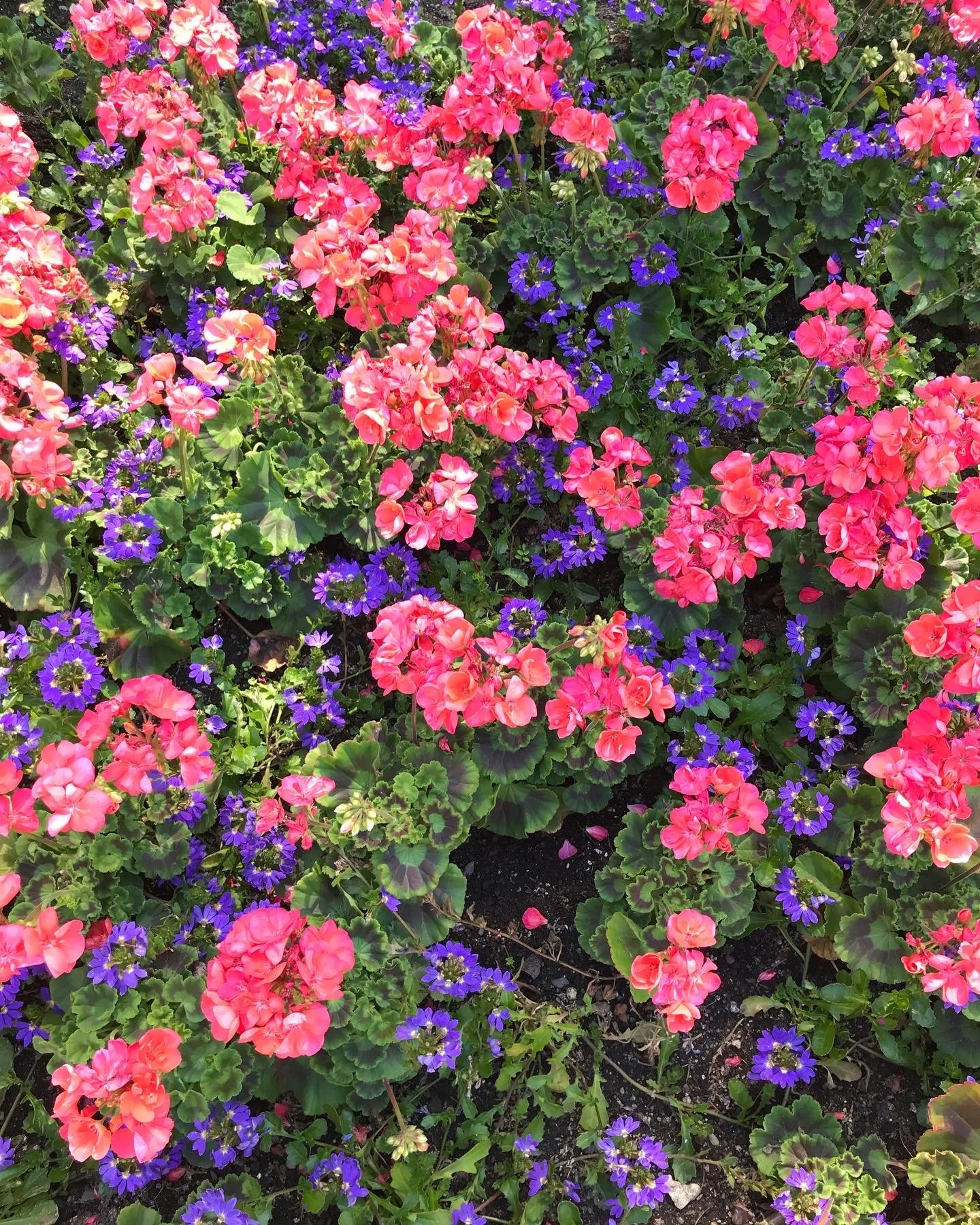
Back in 2015, I worked as a part-time assistant at a local flower shop. From cutting stems and de-thorning roses to wrapping bouquets and packaging arrangements to sweeping up fallen petals and leaves to processing orders and handwriting cards.
It was a neat job—not exactly glamorous but certainly not onerous.
The shop owner was firm yet kind, the bonuses were generous, and the coffee was always fresh (although mine often grew cold by the time I remembered to drink it). There was no shortage of things to learn.
Use cool water for chrysanthemums to help them last longer in the display vase. Lukewarm water is best for hydrangeas and can help the late order of roses bloom in time for Valentine orders. Poke holes in the soil of potted plants and water them before it gets packed and sent for delivery. Poinsettias for the holidays, roses for Valentine’s, carnations on mother’s day, red flowers for the lunar new year, white lilies for the grieving.
And every February, while the shops and malls try to package romance, the flowers remind us not only of the fact that there are many expressions of love but that there is no form of love that nature cannot translate.
Flowers for the Battle Worn
Sometimes it seems as though there isn’t a moment when conflict and grief are at rest. The world is rife with injustice and it can be hard to even bear witness to it all, let alone live through or fight against it.
And yet, there are those that do. Maybe that’s you—meeting every blow and fighting the good fight, not because it pays well or because you’re particularly strong. Rather, you refuse to shirk the responsibility of what it means to be a part of this earth.
Goldenrod
Goldenrods are flowers beloved by insects and pollinators. A symbol of encouragement and good fortune, goldenrods promote biodiversity and help to stabilize the soil. Like you, they advocate for balance and understand that diversity creates a thriving ecosystem. The bright yellow petals of the goldenrod are cheering on your efforts.
Snapdragon
Tall, elegant, and graceful, snapdragons can grow in rocky environments and reach a height of about 36 inches. The snapdragon is a reminder that though your nights are riddled with fears, your bones are aching, and you long for some hero to save you and this world that you love so dearly from the terrors of its time, you must remain upright and have courage. In some cultures, these flowers can also be regarded as a symbol of protection.
Edelweiss
The edelweiss flower can grow at high altitudes and is found in mountainous regions across the globe. This flower’s unique texture protects it from cooler temperatures, winds, and high UV levels. Small as they may seem, edelweiss are known to contain high amounts of antioxidants and anti-inflammatory properties. A symbol of courage, devotion, and moral purity, the edelweiss flower says “I know you are tired. I am sorry the road has been so rough. But come now, and rest your head. All will be well soon.”
Gladiolus
With its vibrant blooming flowers and sword-like stem the aptly named sword lily, or gladiolus ( which comes from the Latin term gladius, meaning “sword”), is often associated with valor and hard-won victories. On average, gladioli can grow between 2 to 6 feet tall; however, don’t be too surprised if they grow even taller! This flower looks equally majestic in a vase as it does growing outdoors.
What greater symbol is there to honour your strength of character than the gift of a gladiolus?
After all, every moment of peace in your life, the joy that your heart contains, and the love that you have to share—all those were hard won.
Flowers for the Nomads
For some it was mere whimsy—something that itched the more it was scratched. For a few, it was an alarm bell that set them running. For others, it started long before they were even born.
Whatever it is that blew you across the ocean and dropped you upon soil that was too dry, or acidic or coarse for you to grow, home became a bus ride, a plane flight, or a boat out in the middle of the ocean. Something other than wherever it is that you are trying to take root.
And though you have slowed over the years, joints aching with age, you have not yet found a dwelling place. Only corners of respite.
Still, wherever you go, however long your stay, there will be many—friends, lovers, colleagues, community members—who wish to give you flowers simply for having arrived.
Iris
The wisdom of the iris reminds us to hold our head up and remain graceful no matter where we find ourselves. Commonly recognized as a symbol of faith, integrity, and wisdom, irises are adaptable flowers that can be found in dry, desert-like areas, near water banks, or meadows, among other places.
Dandelion
Resilient, overlooked, and perhaps misunderstood, dandelions can find a way to survive even in the most unideal or unconventional spaces—a roadside, some forgotten patch in an orchard, or an abandoned lawn. These plants scatter their seeds through the air, along with the quiet wishes we carry, to find a home and, against all odds, make it.
Speedwell
More than just a pretty petal, the speedwell has traditionally had therapeutic uses for their diuretic and anti-inflammatory properties. These flowers, which wilt quickly after being picked, have been tied to folklore where carrying or wearing a speedwell would bring fortune and protection to those out on journeys. So, consider it a token of good luck and well wishes on your way to your next stop.
Forget-me-not
Forget-me-nots can be found in places like meadows and streambanks but can also do well in home gardens so long as their soil is kept moist. Short-lived and dainty as they may be, these charming little flowers have long since established themselves as a symbol of fond remembrance and nostalgia (as the name suggests) in the arts, particularly in literature. And like the forget-me-not, you might find that you’re remembered in the hearts of every place you’ve ever traversed.
Flowers for the (Unrequited) Lovers
It can be a little cliché: the portrait of an artist—someone for whom the creative practice is both ritual and remedy.
Every moment spent hunched over a journal or a notebook, writing; every page spent drawing circles and lines in ink, training your hands to create steadier lines; every canvas, photograph, collage left unfinished and tucked beneath piles of paperwork. All that sweat and strain crafting stories, not for power or prestige but because you know what it means to be human.
But it’s a thankless job, isn’t it?
Even so, it is because of the artist, whose weary heart chooses to keep beating and whose roughened, arthritic hands keep on tending to the fire with their music, dance, and poetry, that so many have come to gather.
Pansy
Vibrant and cheerful as they appear, pansies can remain in bloom during the winter and even tolerate light frost. The name of this flower comes from the French term “penser,” which means “to think.” Pansies often symbolize reflection or deep contemplation. So take your time—reflect deeply on your experiences so that you may continue to grow and create. And know that the colours you bring have brought comfort and joy to others.
Orchid
Orchids make popular houseplants due to the beauty of their blooms, though they may require patience (please don’t throw them out just because it’s taking some time for them to grow flowers again!). These flowers rely on fungus for support and provide them with much needed supplies for growth, such as nitrogen. Diverse as a painter's palette, the orchid is a reminder to love the life you’ve been given (hard as it may be) and to never stop bringing beauty into the world.
Acanthus
I know. Your hands are tired. They are no longer as nimble as they used to be. Well, an old wives’ tale promises that the acanthus will soothe arthritis. Once considered a symbol of immortality, the beauty of the acanthus flower has inspired so many designs, making it an apt representation for the undying inspiration of the arts.
Lotus
The lotus, often ascribed spiritual symbolism, can thrive in tough environments and possess the ability to repel water, clean itself, and regulate its temperature. These flowers are associated with an inner strength and the ability to transcend difficulties. And every artist knows: no mud, no lotus.
While countless interpretations have been made of the types of flowers throughout various cultures and in many myths, tales, and songs, each flower brings with it a letter. The ways in which love can be shown is as varied as the types of flowers that exist.
So even if Valentine’s day has passed and February is no longer visible from your rearview mirror, go on and give people their flowers while they’re still here.
As for you? Come, tend the garden with us while you’re still around.