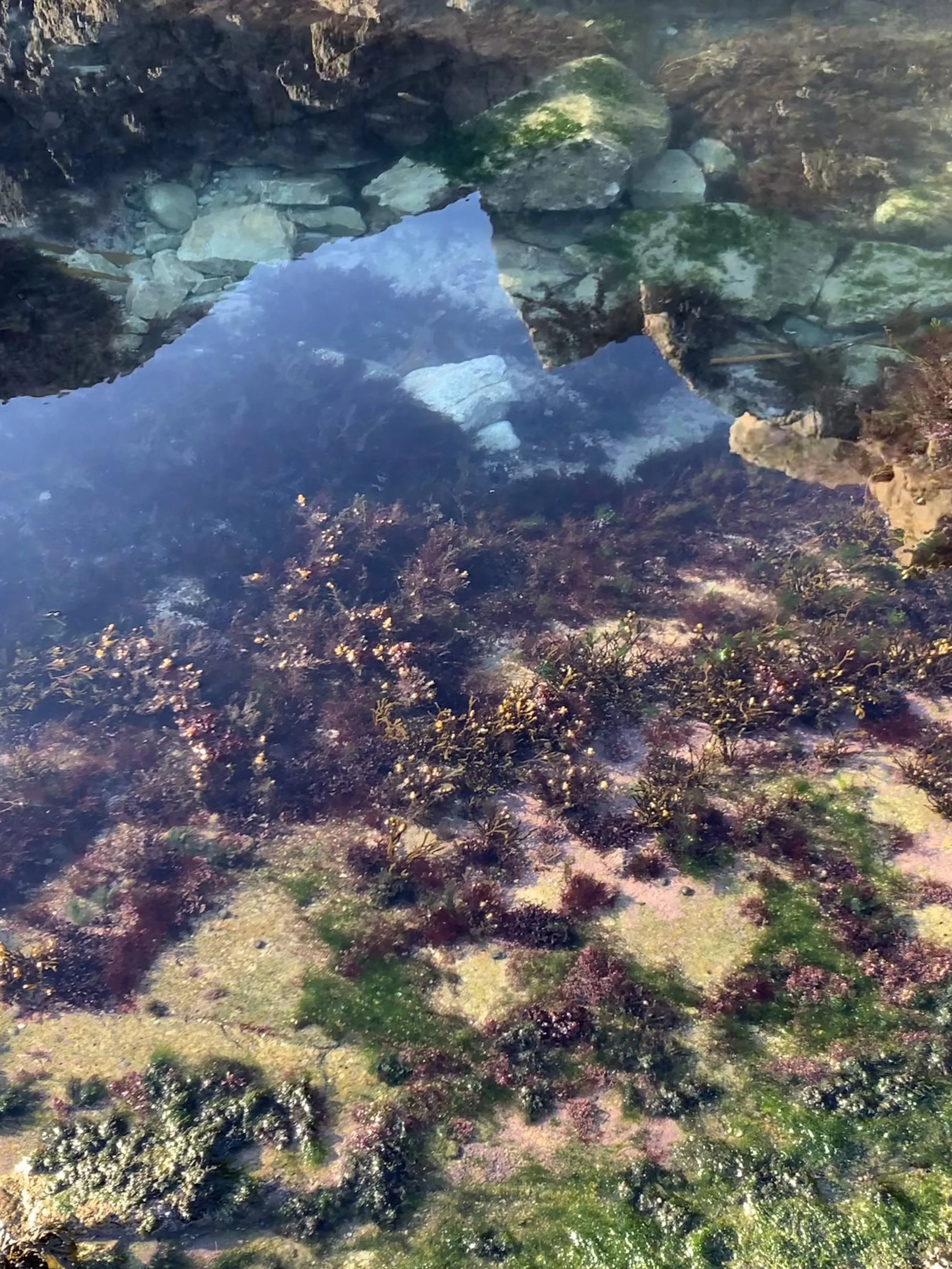
In the winter months, the golden time of growth upon land is dwindling to an end. But in those marginal places along our coasts, where the sea rhythmically wanders rock and sand, one of the most ancient crops in coastal agricultural history continues to grow quietly beneath the waves - Seaweed.
Photography by iestyn | Instagram: @iestmsea
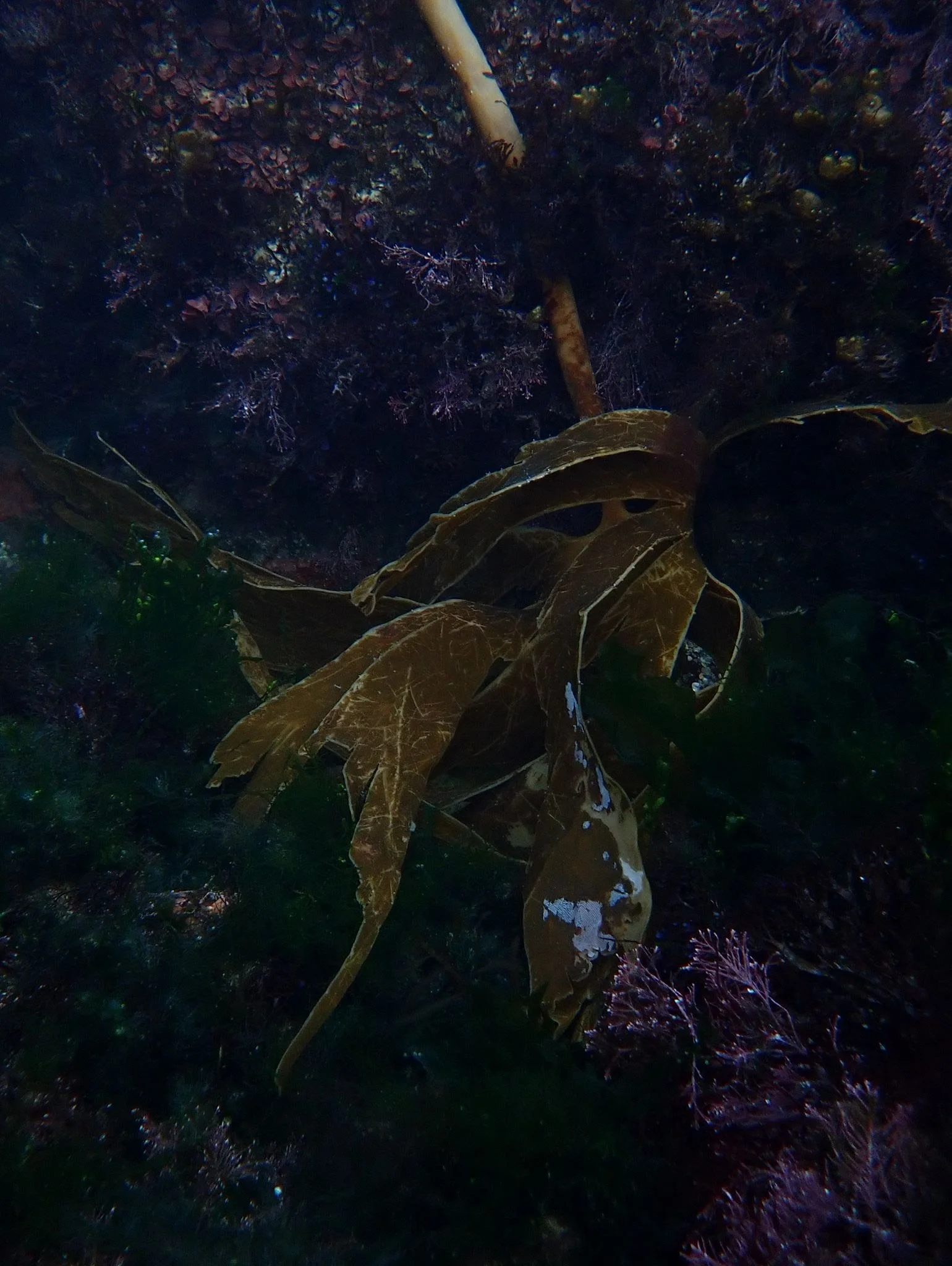
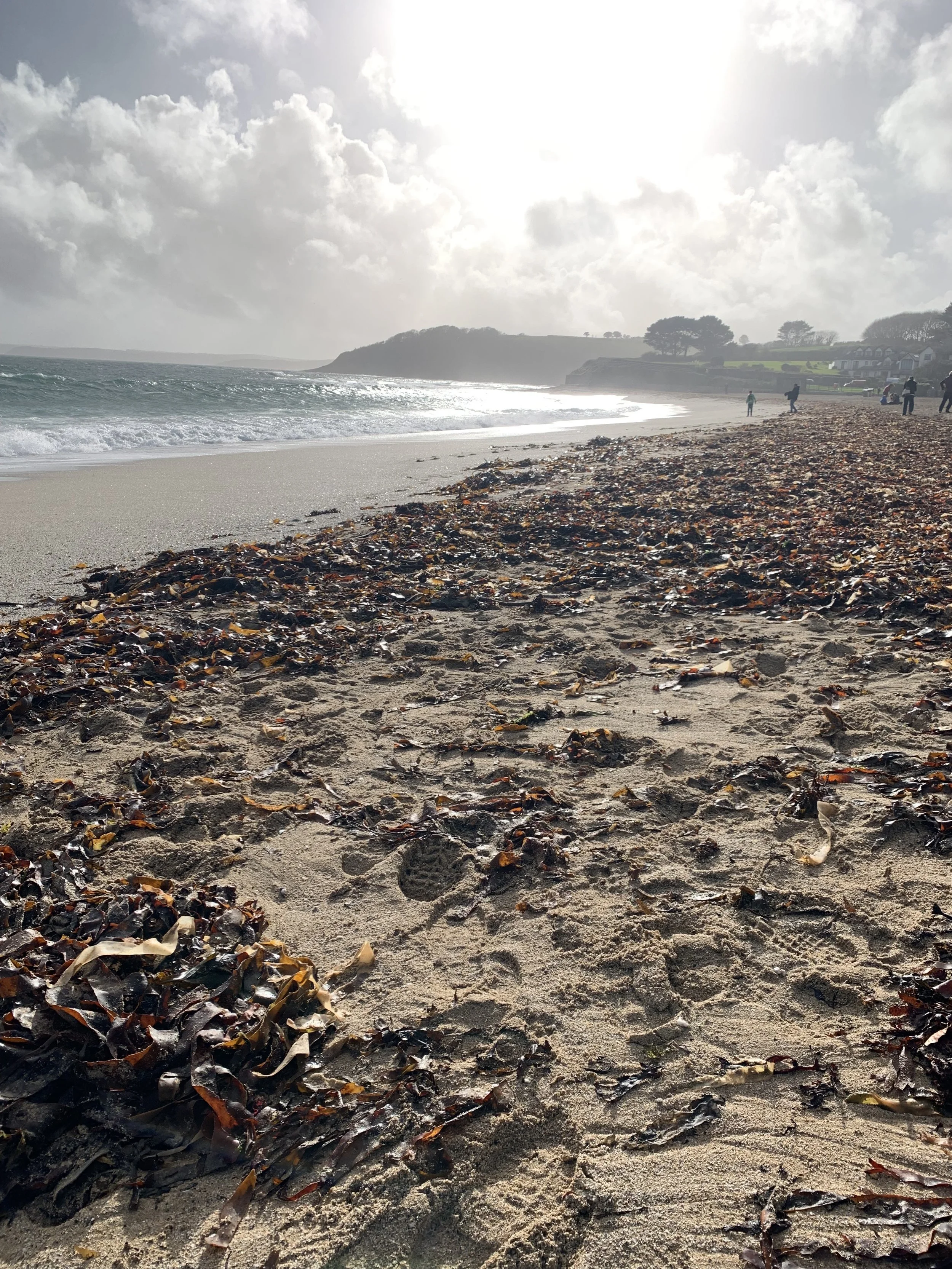
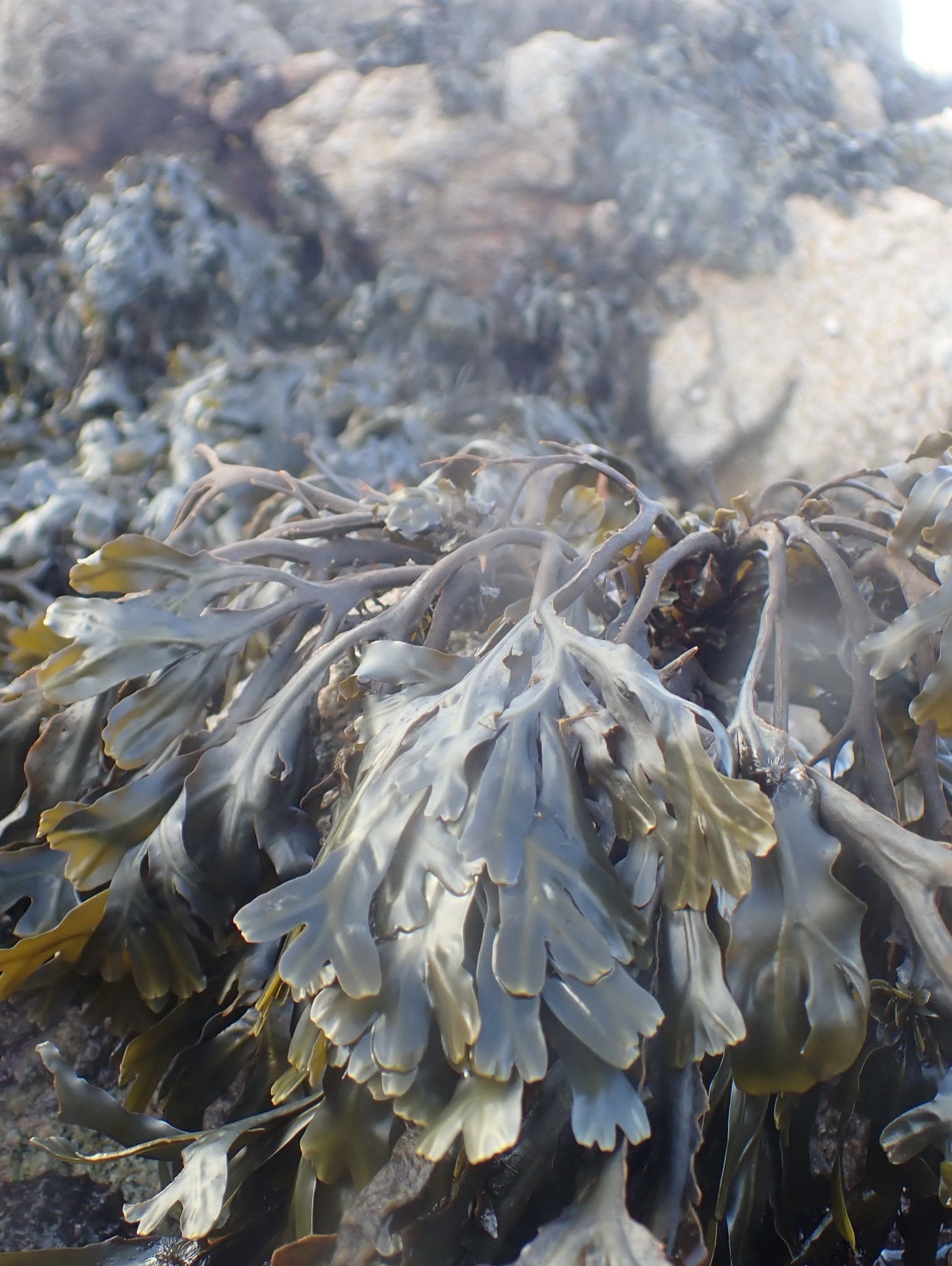
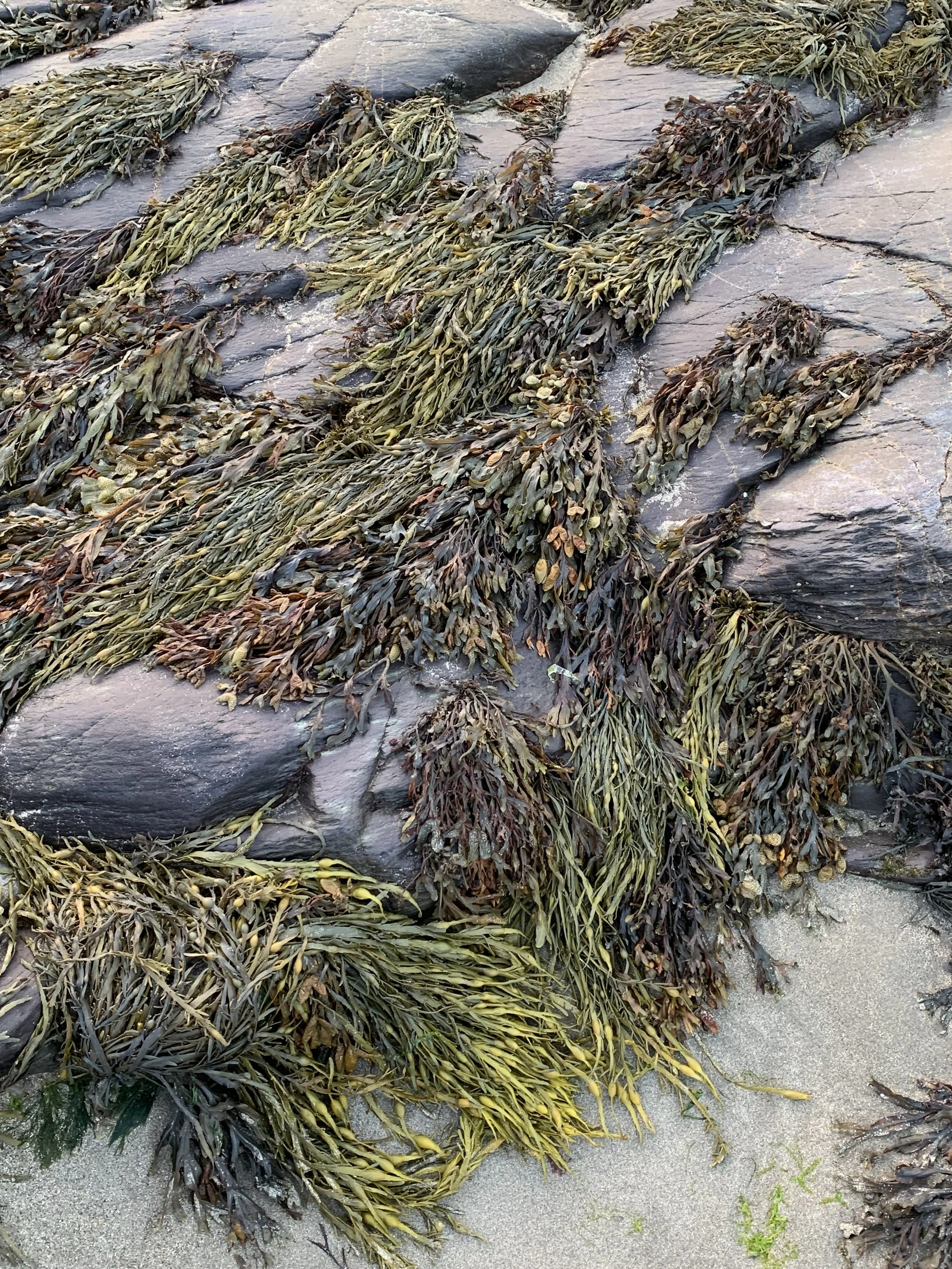
Not technically a plant, but marine macroalgae, we often find seaweeds uprooted by the newly arriving storms at this time of year, lacing our beaches with vast, nutrient-rich entanglements of earthen reds, mottled ambers and glassy greens. These are the strandline offerings of the ghostly underwater forests and scraggly earth-toned carpets that seaweed grows in, anchored to seabeds and rocky shores in every ocean throughout the world.
Photography by iestyn | Instagram: @iestmsea
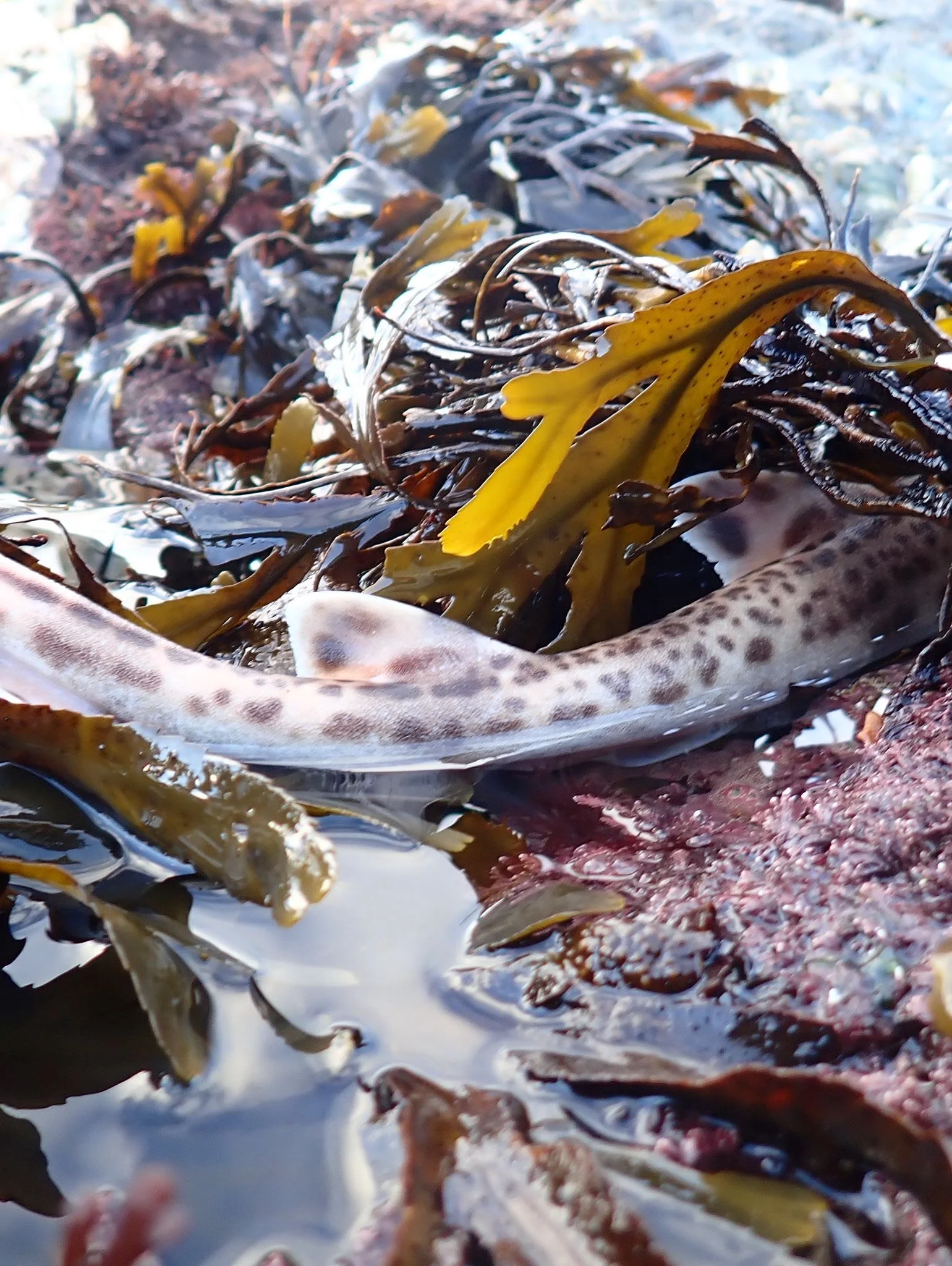
Having been evolving for the billions of years to survive the mutable dramas of the intertidal zone, this macroalgae is as mesmerising as it is resilient and versatile, and its yield is one abounding in garden enriching bounty. With a 5000-year-old holdfast as food source and fertiliser in coastal traditions, and a history that Marine botanist, Dr Cathy Anne Miller, deems inseparable from the ‘The human experience,’ the kinship between humans and seaweed is an ancient one.
Photography by iestyn | Instagram: @iestmsea
And yet, thanks to its modern roles in regenerative agriculture and soil restoration practises, and its indispensable function as a marine habitat and climate mediator, it is one far from antiquation.
Photography by iestyn | Instagram: @iestmsea
A soil amending parcel.
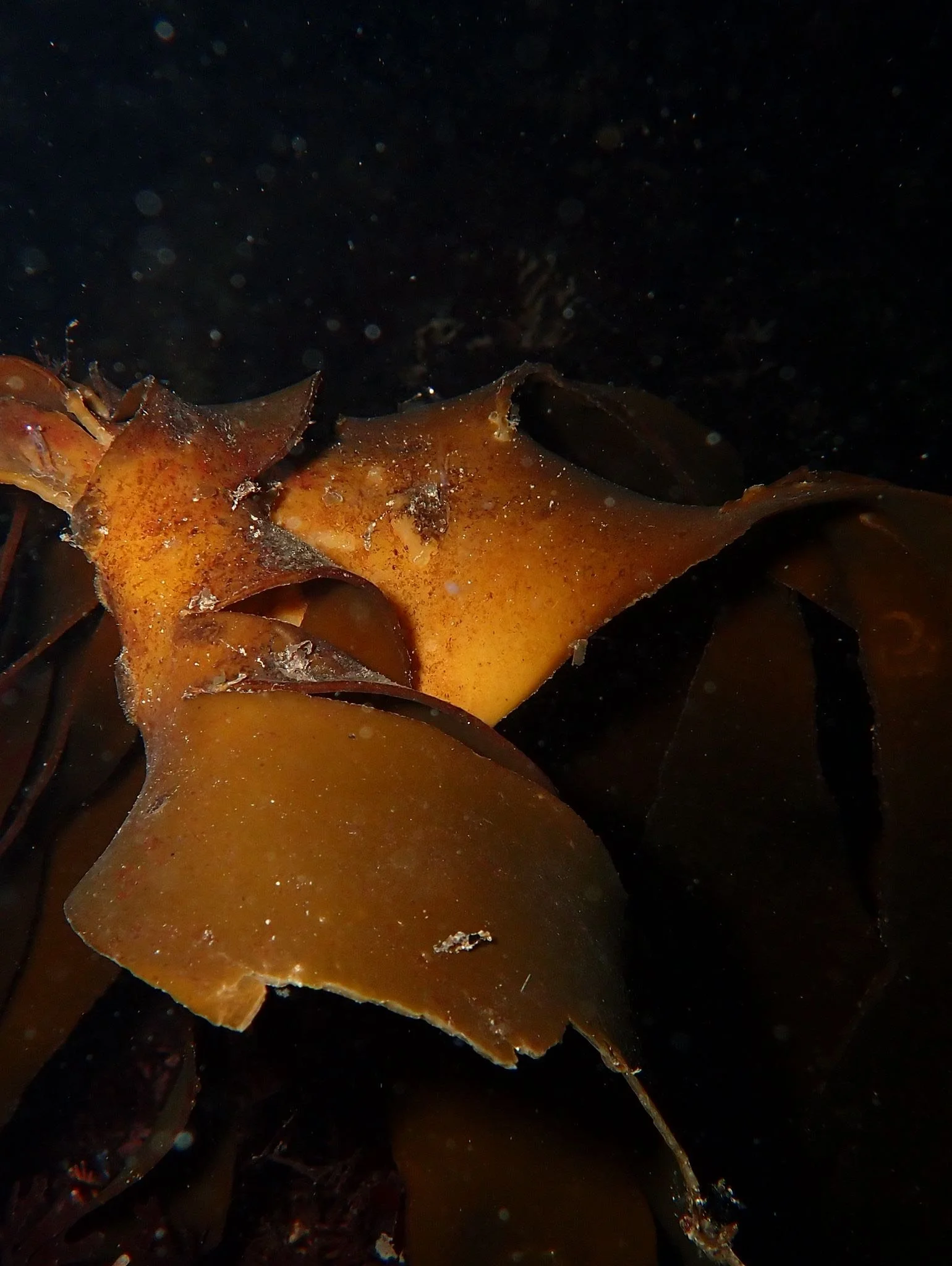
Today, there are 12,000 known species of seaweed, each falling into one of three colour-based categories: Red, Green or Brown algae. Over 3000 species are edible - Kelp, with its deep brown ribbons, and the translucent red sheets of Larva, name just a few. Encased within the tough, leathery fronds of these (and many species besides) are mineral packages of great benefit to us, our plants, and the soils they grow in too:
Magnesium, Nitrogen, Iron, Potassium and Iodine sit alongside growth-encouraging hormones such as auxins, cytokines, and gibberellins that, combined, transform seaweed into a powerful, organic bio stimulant.
Alongside this, its unique, water-retention promoting polysaccharides, soil strengthening properties and a commercial growing process that requires no harmful fertilizers, pesticides or freshwater, make it a precious resource in our warming world of degraded soils.
With its capacity to annually absorb as much CO2 from the atmosphere as 1.6 million trees, and a broad versatility of growth, the farming of seaweed as a crop has emerged as a thriving and sustainable modern aquaculture industry that traces coastlines from Hawaii to Indonesia, Africa to Chile and to the cold shallows of Northern Europe too.
Whether it is grown vertically intertwined with long lengths of sunlight reaching ropes or floating upon the ocean surface, its cultivation, application and consumption are phenomena as relevant and undeniable today, as in times gone by.
Photography by iestyn | Instagram: @iestmsea
Photography by iestyn | Instagram: @iestmsea
Through the currents of time and place:
An example of a people-seaweed bond can be found within East Asian cuisine. Whilst it’s culinary inception in 17th-century Japan has deeply interlaced the algae within the region’s coastal traditions, and solidified its reputation as a global food source, its historical role far surpasses the salty, umami sheets of Nori, or Pyropia tenera, that bind together our sushi.
In the cold Atlantic waters of Norse Sagas, for example, the palmate and vitamin-rich flesh of Dulce, Palmaria palmata, was once hailed as a dietary talisman for the scurvy-prone Viking. And for the ecology and nation people of Shinnecock Bay, Long Island, the crinkled, honey-coloured ribbons of Sugar Kelp, Saccharina latissima, have long served as vital elements to their survival — so much so that the first indigenous-owned Kelp Farm on the US East Coast was opened in 2020, thanks to generations of native seaweed wisdom: A great, tumultuous ocean’s throw away from the first farms to have been established in the Orkneys and Hebrides of Scotland in the 18th century.
On the Wild and rugged shorelines of The British Isles, where the gulf stream delivers both storm and sustenance, the whole coastline’s heritage is intertwined with seaweed’s multifaceted character. And arguably, it plays no greater role than that in Irish history:
Here, Dulce or as is known in Gaelic, Duileasg, is a resource almost deified. Once revered as having the same value as 3 cows, its maroon skeins were gleaned from the bleak foreshores of the 18th century famine era, and eaten in life-sustaining soups and gelatinous puddings, alongside startling orange flashes of orange Irish Sea Moss.
But its medicinal services weren’t exclusively reserved for the people - the tired and wind raked soils they relied on were also nourished by it: piled atop or dug beneath, the application of seaweed officiated a vitally fertile marriage between land and sea.
This relationship has stood the test of time, and it is one that we can introduce to our own, modern gardens too:
So, where to start?
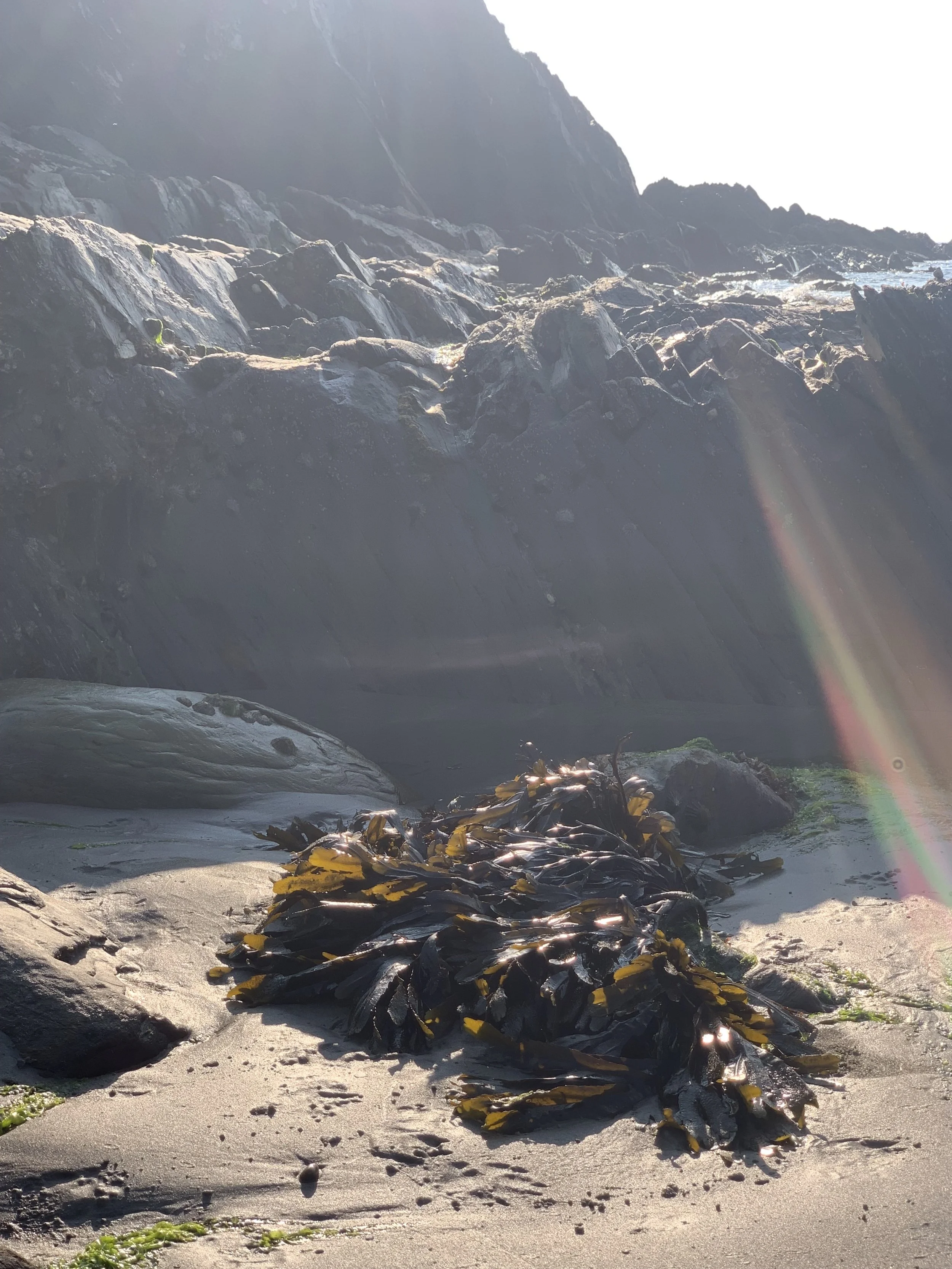
Now that the seasons have shifted, there is no better time to be thinking about the arrival of spring. For the shoreline traipsing forager, our garden amender is being spat up by the sea in abundance.
Start by learning to identify a few species of soil-nourishing seaweeds: Kelps and wracks are especially effective for the garden. Then head to the shore and search the strandline for some of those dark entanglements.
Photography by iestyn | Instagram: @iestmsea
A few bits of foraging advice:
Whilst washed up seaweed is usually perfectly acceptable to collect, check any local regulations before harvesting actively growing seaweed directly from its source and become familiar with protected species in your area.
If you’re curious about harvesting edible species like dulce and Irish moss, check the water quality before picking - avoid areas where pollutants are potentially high in areas of industrial activity, such as harbours.
Never eat seaweeds that have already been detached and are floating in the water or washed up - feed the garden with these instead.
Photography by iestyn | Instagram: @iestmsea
In the garden:
Mulch: Layering seaweed atop our emptying raised beds and soils is an effective way of introducing its benefits to the earth. Over the winter, decomposition will occur, allowing for a slow release of nutrients that improve soil fertility and help reduce weed growth. Tilling the soil slightly with it will deepen its effect further.
Compost: Seaweed is an excellent material to add to other disposed garden matter: Its high nitrogen content speeds up microbial activity, and decomposition rates too, accelerating the rate of availability of nutrient rich compost for next year’s growing season.
Liquid feed: For smaller plants, or those just starting off, liquid seaweed feed is a good option: This is what many kelp farms produce commercially and when diluted with water, is a gentle method of boosting plant growth and health. You can also make your own by simply filling a container with seaweed and water and leaving it to steep for a few weeks. (Best done outside, as seaweed has a very strong smell!)
Clearly, Seaweed’s relationship with human history is an intriguing and intimate one, important to even more cultures around the world than were discussed today.
So, if you’re curious and do want to learn more, check out some of the links below to hear about the food, farms, habitats and even art, that this fascinating macroalgae has supported through time and place!
For a deep dive into the world of seaweed:
Seaweed stories - Leonardo DiCaprio on YouTube.
The Seaweed Revolution - Vincent Doumeizel.
Seaweed ID:
Seaweeds of the World By John Bothwell | World of Books GB
Seaweed Guide – Cornish Seaweed
Seaweed farming and harvesting:
@car_y_mor on Instagram.
Seaweed by the tonne and singing to seals – life on North Uist | Canopy & Stars.
Project Africa, helping African women farm seaweed | Ulva Sea Farms.
Innovative seaweed and mussel farming transforms a Philippine community | CNA.
About Us – Cornish Seaweed
Gardening with seaweed:
Seaweed products / RHS Gardening
Seaweed in the Garden - Maine Coast Sea Vegetables.
Seaweed art:
@mollymacleodstudio/@drifft.seaweed on Instagram.
Art For Your Oceans | WWF
Seaweed foraging and recipes:
Foraging and Cooking Seaweed Around the UK - Bushcraft Buddy.
The Seaweed Cookbook By Xa Milne | World of Books GB
Recipes – Cornish Seaweed
Recipes – Maine Seaweed Week
Seaweed’s role in climate change:
Seaweeds cultivation methods and their role in climate mitigation and environmental cleanup - ScienceDirect.
As always, thank you for reading!
About the writer
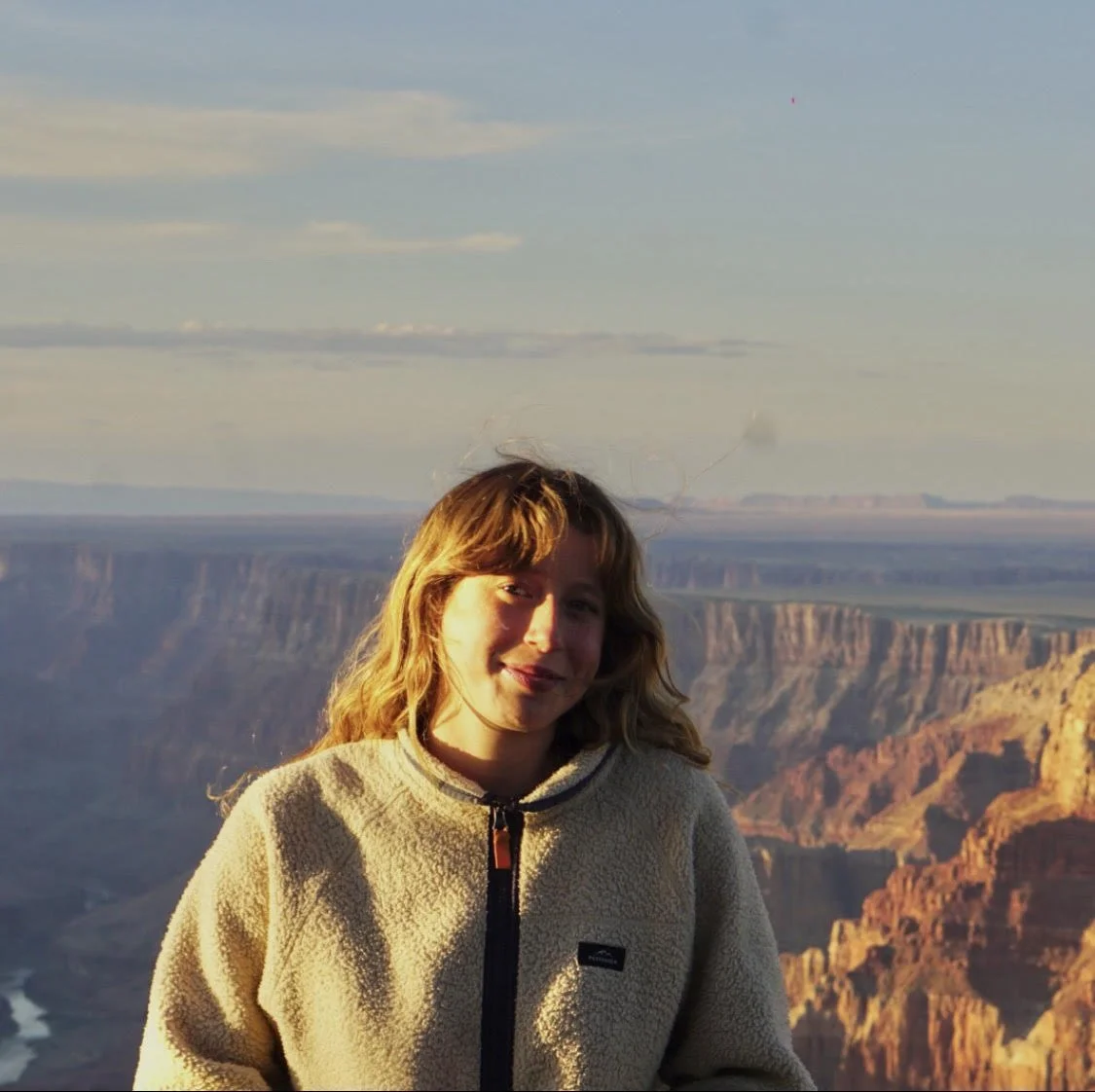
Lihla-mae Noble is a marine biology student, raised and currently based along the wild coastline of Pembrokeshire, West Wales. A childhood spent beside this coastal landscape has inspired her love of the natural world and an interest in creatively exploring our connection to it. Whether she is walking, running, swimming or snorkelling in the ocean, the company of pens, paper scraps, a book, and a dog is never far from reach.